
Post-Surgery Recovery Essential Best pathology tests in Kolkata to Monitor Healing
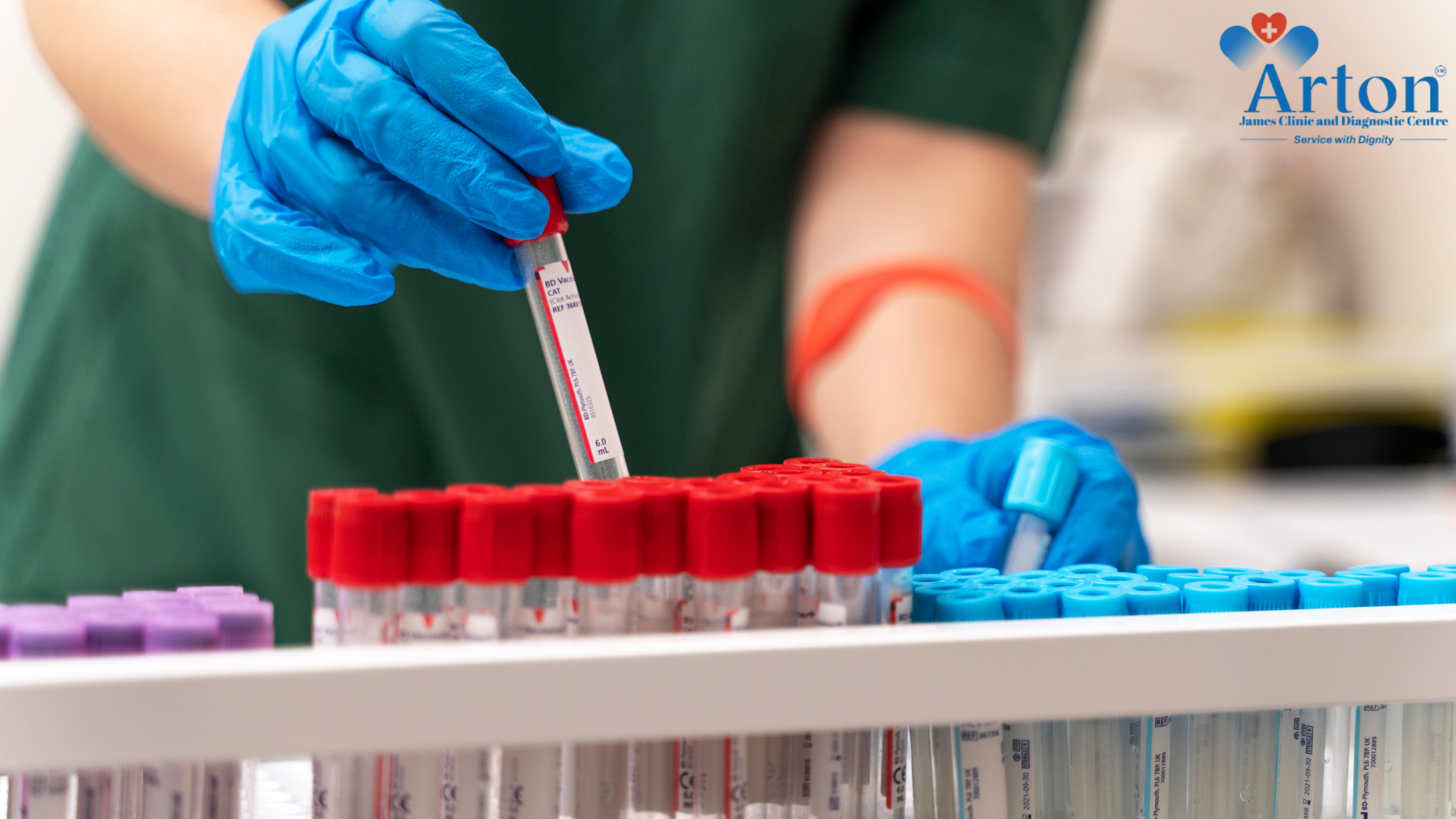
Step out of a hospital after surgery, and there’s a subtle assumption most patients carry: the hard part is over. It is not like that. Actually, the surgery is not the end but it also starts the second phase, which is quieter, less visible but as much as important as the surgery.
The body enters a controlled state of stress. Hormones shift. Inflammation rises, then ideally settles. Tissue repair begins, often unevenly. What separates a smooth recovery from a complicated one is not rest alone. It is how closely this internal process is tracked.
That is where the best pathology tests in Kolkata come into the picture, not as routine checkboxes, but as active tools guiding recovery decisions.
The Body Leaves Clues—Tests Help Read Them
After surgery, the body does not fail suddenly. It signals first. A mild rise in inflammatory markers. A slight dip in protein levels. Subtle changes in blood counts. These are not dramatic enough to feel. But they are measurable.
Clinical research shows that markers like C-reactive protein (CRP) begin rising within hours after surgery and typically peak within 48–72 hours before declining, if recovery is on track. When that decline does not happen, it often points to complications such as infection or delayed healing.
The Shift Toward “Trend-Based” Recovery Monitoring
A positive change which happened recently is that doctors are not only looking for test results only, they are using it for better healing.
They are studying patterns.
- Is inflammation reducing steadily?
- Are infection markers fluctuating unexpectedly?
- Is the body responding to treatment, or resisting it?
This approach, tracking trends rather than one-time values, is now shaping post-operative care in more advanced clinical setups.
Tests That Matter Today (And Why They’re Being Reconsidered)
Instead of listing common tests in a generic way, it helps to understand how they function in real recovery scenarios.
Inflammation Mapping (CRP & PCT)
CRP is widely used because it reflects the body’s inflammatory response. Persistent elevation may indicate complications like surgical site infections.
Procalcitonin (PCT), on the other hand, is gaining attention for being more specific to bacterial infections, helping doctors decide whether antibiotics are necessary. Together, they form a clearer picture than either alone.
Blood Response (CBC with Differential)
A Complete Blood Count is still the most commonly used diagnostic tool globally because it offers immediate insight into infection, immunity, and oxygen-carrying capacity. But today, it is not just about whether values are “normal.” It is about how they are moving over time.
Nutritional Recovery Indicators
Healing is energy-intensive. The body requires protein, minerals, and stable metabolism.
Tests like Serum Albumin and Total Protein are now being used more actively to judge whether recovery is being supported internally—or slowed due to nutritional gaps.
Organ Stress Monitoring
Post-surgical medication is often aggressive. Painkillers, antibiotics, anaesthesia residues—all of it passes through the liver and kidneys. Function tests are no longer optional in longer recovery cycles. They ensure treatment does not quietly create secondary issues.
The Kolkata Reality: Access Is Easy, Accuracy Isn’t
Kolkata has no shortage of diagnostic labs. Walk down any main road, and you’ll find several.
The challenge is not availability. It is consistent.
- Are machines calibrated regularly?
- Are reports standardised?
- Is there clinical interpretation, or just raw data?
Centres like Arton James Clinic & Diagnostic Centre stand out because they operate within a clinical ecosystem, not as isolated testing units. That difference shows up in follow-ups, report comparisons, and doctor coordination.
Where Most Recoveries Go Off Track
It rarely happens in the hospital. It happens after. Patients begin to feel better. Pain reduces. Movement improves. Testing becomes irregular. This is precisely when hidden complications develop. Inflammatory markers may rise again. Nutritional deficits may appear. Medication side effects may surface. Without timely testing, these shifts remain unnoticed until they demand urgent care.
A More Grounded Way to Look at Recovery
Think of recovery less as “waiting to heal” and more as “tracking progress.” Each test answers a quiet but important question:
- Is the body still inflamed—or settling?
- Is healing supported nutritionally?
- Are complications beginning, even without symptoms?
Choosing the best pathology tests in Kolkata ensures these answers are reliable, not assumed.
Final Thought
Surgery fixes what can be seen and recovery depends on what cannot, but that unseen process, which is slow, layered, and often unpredictable is best understood through careful, consistent testing. Not more tests. Just the right ones, at the right time, read the right way.
Your Health Deserves Expert Care